- Editorial Expertise: Men's Health, Healthy Aging, Nutritional Supplements, Evidence-Based Wellness
I've been taking creatine for a few years now, and I'll say it plainly: it's the one supplement on this entire site that I'd recommend to almost any man over 40, no asterisks. Not because a sales page told me to say that, there's no proprietary formula or hero product being pushed here, just because the strength gains have been real and consistent for me, and because the research behind it is some of the best-established in all of sports nutrition.
That's also, apparently, not just my experience. Creatine is currently the most searched supplement among American men over 40, according to recent search trend data, and interest has been climbing steadily as more research connects it to muscle preservation, cognitive support, and healthy aging, not just gym performance.
🏆 The Short Version: Creatine monohydrate is one of the most-studied supplements that exists, with decades of research supporting muscle strength, lean mass preservation, and workout recovery. For men over 40 specifically, it's one of the few supplements with real evidence for fighting age-related muscle loss (sarcopenia), and emerging research suggests cognitive benefits too. It's cheap, safe for most healthy adults, and doesn't require any proprietary formula or "biohack" marketing to work.
Why Creatine Matters More After 40
Starting somewhere in your 30s, and accelerating through your 40s and beyond, the body naturally loses muscle mass and strength, a process called sarcopenia. Left unaddressed, it's one of the biggest drivers of frailty, falls, and loss of independence later in life. Resistance training is the foundation for fighting it, but creatine is one of the few supplements with genuine research showing it enhances the results of that training, specifically in older adults.
Creatine works by increasing the availability of phosphocreatine in your muscles, which your body uses to rapidly regenerate ATP, the energy currency your muscles burn during short, intense effort. More available energy means you can push a bit harder in the gym, recover a bit faster between sets, and over time, that adds up to more muscle retained (or gained) than training alone.
What the Research Actually Shows
- Muscle mass and strength: Multiple studies and meta-analyses, including research reviewed by the International Society of Sports Nutrition, show that creatine supplementation combined with resistance training increases lean mass and strength more than resistance training alone, with effects documented specifically in older adults (50+), not just young athletes.
- Sarcopenia specifically: Research on creatine in aging populations has shown it can help preserve muscle mass and function during periods of reduced activity or in combination with strength training, making it one of the more targeted tools against age-related muscle loss.
- Cognitive support: This is the newer, more emerging area. Several studies, including ones on sleep-deprived subjects, have found creatine supplementation improved measures of short-term memory and cognitive performance. It's not as deeply established as the muscle research, but it's a genuinely active and promising area of study, not just marketing language.
- Safety in healthy adults: Creatine is one of the most rigorously studied supplements for safety, with research spanning years of continuous use showing no evidence of kidney damage in people with normal kidney function. The persistent "creatine hurts your kidneys" myth largely comes from confusing creatine (the supplement) with creatinine (a waste product your body already produces, that doctors measure to check kidney function), not from actual evidence of harm.
When to Talk to Your Doctor First
If you have existing kidney disease, are on medications that affect kidney function, or have any chronic condition, talk to your doctor before adding creatine, the safety research is specifically for people with healthy kidney function. It's also worth mentioning to your doctor if you're on any prescription medications, just as a general precaution with any new supplement.
How I Take It (and What the Research Supports)
The standard, well-researched dose is 3 to 5 grams of creatine monohydrate per day, taken consistently. You don't need a "loading phase" (the older protocol of taking 20g/day for a week) unless you're specifically trying to saturate your muscles faster, a steady daily dose gets you to the same place within about 3-4 weeks. I just mix mine into water or a shake, timing doesn't seem to matter much based on the research, consistency does.
A few practical notes from my own experience: expect some water retention in the first couple of weeks, that's normal and not fat gain. Creatine monohydrate (not the fancier, more expensive forms) has the most research behind it, so that's what I'd recommend looking for on a label. NSF Certified for Sport is also a good thing to look for, it means the product has been independently tested for purity and banned substances, not just taking the label's word for it.
Powder, Gummies, or Capsules? What Actually Matters
Search interest in creatine has climbed sharply this year, and most of that traffic is people trying to figure out which specific product to buy, not whether creatine itself works. A few formats keep coming up, so it's worth being direct about the tradeoffs.
Plain monohydrate powder (from brands like GNC Pro Performance, Nutricost, or Optimum Nutrition's Micronized line) is the cheapest way to hit an effective 3-5g daily dose, and it's what almost all of the research is actually done on. "Micronized" just means the powder is ground finer so it mixes into water more easily, it doesn't change how it works in your body.
Creatine gummies (like Bloom's, which have gotten a lot of search attention lately) are easier to remember and taste better, but check the label closely: many gummy formats land well under the 3-5g research-backed dose per serving because creatine is dense and hard to fit into a chewable format at full strength. You may need several gummies to match what one scoop of powder gives you, which changes the actual cost per dose. They're also generally marketed toward general wellness rather than the muscle-preservation angle that matters most for men over 40.
Capsules split the difference: convenient, but usually most expensive per gram of actual creatine.
None of this changes the underlying advice: monohydrate is monohydrate, chemically, regardless of format. What changes is dose-per-serving and cost. If you're comparing labels, do the math on grams of creatine per dollar before you decide, not just the marketing on the front of the package.
If You Want Gummies Instead of Powder
Force Factor Creatine Monohydrate Gummies get the format right where a lot of competitors don't: they're NSF Certified for Sport and deliver the full research-backed 5g dose per serving, not a diluted "fairy dust" amount. Worth knowing before you buy: they're rated 3.3/5 from nearly 4,000 Amazon reviews, mostly taste and texture complaints rather than effectiveness concerns, so if flavor matters a lot to you, read a few reviews first. If you want the better-reviewed option and don't mind a chewable tablet instead of a soft gummy, Animal Creatine Chews (also NSF Certified, also 5g/serving) runs closer to 4.3-4.4 stars.
Check Creatine Gummies on Amazon →
What I Actually Buy
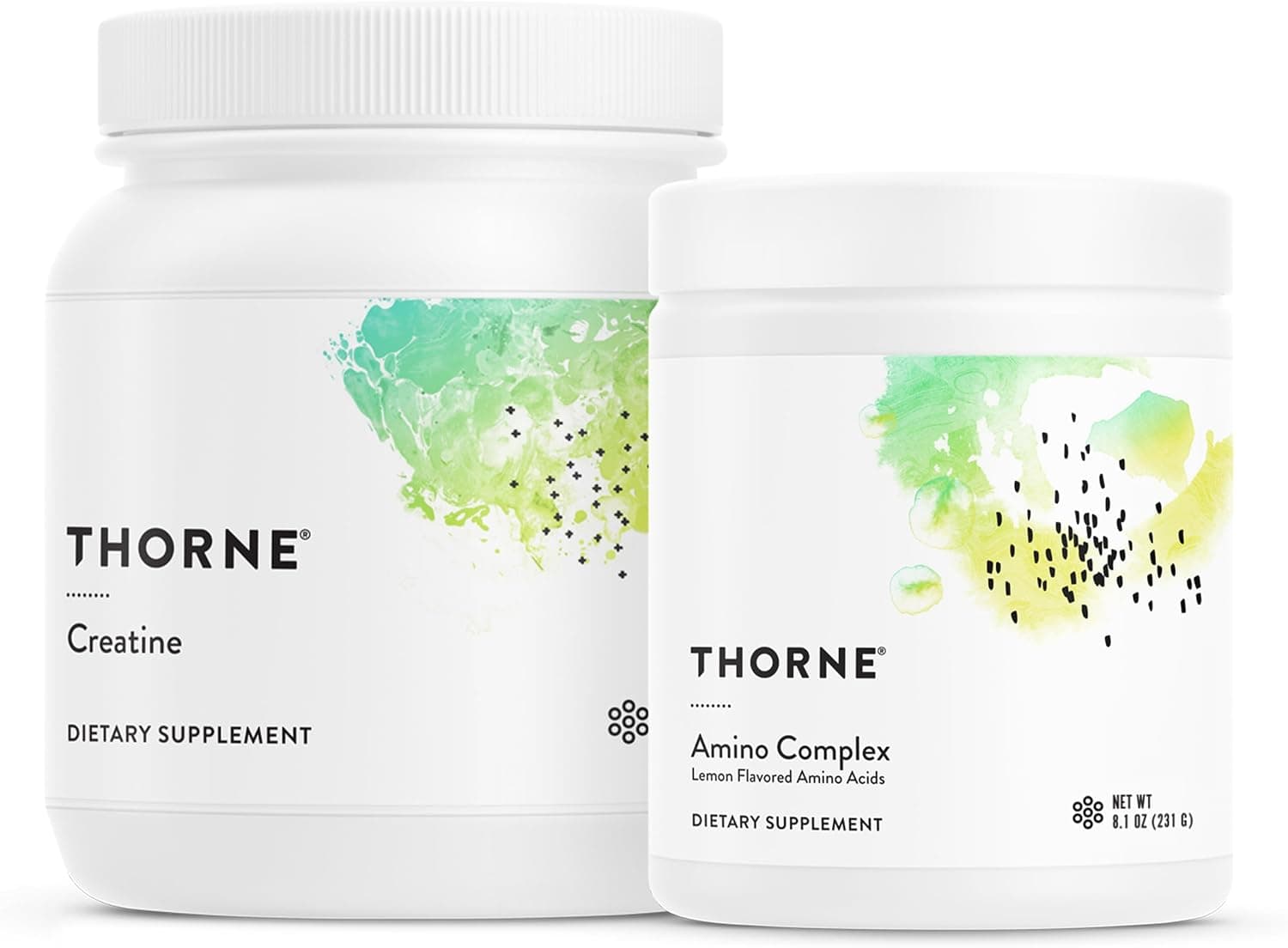
I look for plain creatine monohydrate, nothing fancy, with third-party purity testing. Thorne Creatine is one I'd point to: it's NSF Certified for Sport, single-ingredient, and from a brand doctors actually recommend, not a random proprietary blend. Rated 4.6/5 from 90+ reviews on Amazon as of this writing.
Check Thorne Creatine on Amazon →
Frequently Asked Questions (FAQ)
1. Is creatine only for bodybuilders? No. The research behind it now spans general strength maintenance, sarcopenia prevention, and even cognitive support, none of which require a bodybuilding-level training program to benefit from.
2. Does creatine cause hair loss? There's one small older study that found a hormonal change (increased DHT) in college-aged rugby players taking creatine, but it didn't measure actual hair loss, and it hasn't been replicated well since. The evidence connecting creatine directly to hair loss is thin at best.
3. What type of creatine should I buy? Creatine monohydrate. It has the most research behind it by a wide margin, and it's also the cheapest form, you don't need to pay more for "advanced" versions with less evidence.
4. Is it safe to take creatine long-term? Current research, including studies spanning several years of continuous use, hasn't found evidence of harm in healthy adults. It's one of the better safety profiles among common supplements.
5. Where should I buy it? Creatine monohydrate is a widely available, standardized ingredient, you don't need a specialty formula for it. Forbes Vetted keeps an independently tested, updated list of the best creatine supplements if you want a starting point for brands. My own pick is Thorne Creatine, NSF Certified for Sport, single-ingredient, no fillers.
Scientific References
- Candow, D.G., et al. Creatine supplementation and aging musculoskeletal health. Endocrine.
- International Society of Sports Nutrition position stand: safety and efficacy of creatine supplementation in exercise, sport, and medicine.
- Research on creatine supplementation and cognitive performance under sleep deprivation.
- Mayo Clinic: Is creatine safe? What you should know
- Forbes Vetted: Best Creatine Supplements 2026
One more thing: of everything I've researched and written about on this site, creatine is the supplement with the least hype and the most consistent evidence behind it. It won't fix everything, sleep, diet, and actually lifting weights still do most of the work, but if you're already doing those things and want one low-risk addition backed by decades of research, this is it.
Not Sure This Is the Right Fit?
Every man's situation is different. Answer two quick questions and we'll point you to the one product on our list built for your specific concern.
What is bothering you most right now?
Have a partner interested in women's health? Visit our sister site, HerVitalityGuide.