- Editorial Note: This is not a product review. It's a comparison of a supplement ingredient (berberine) and a prescription medication (metformin), based only on published research.
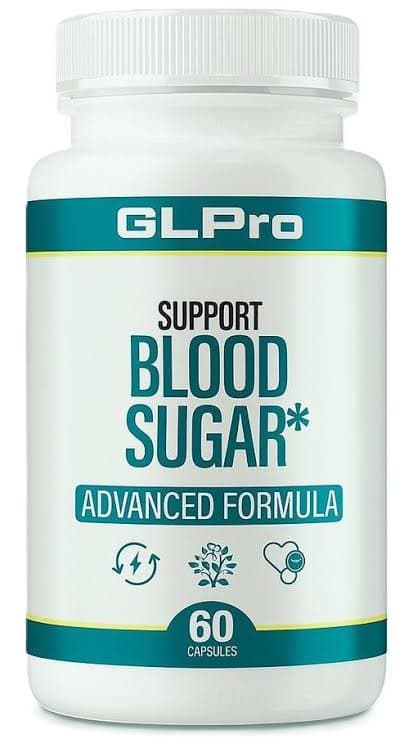
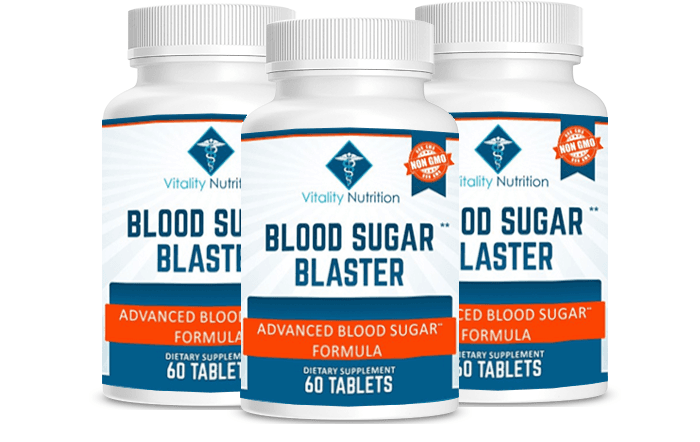
Every review we've written on a blood-sugar supplement — GLPro, Blood Sugar Blaster — leans on the same ingredient story: berberine, sometimes marketed as "nature's Ozempic" or "nature's metformin." That second nickname gets thrown around a lot, so we wanted to actually check it against the research instead of repeating it. Is berberine really comparable to a decades-old, FDA-approved diabetes drug, or is that just supplement marketing?
🏆 Quick Verdict: In head-to-head trials, berberine performs about as well as metformin at lowering blood glucose and HbA1c. But "as effective at lowering blood sugar" isn't the same as "equivalent to metformin" — metformin has decades of cardiovascular outcome data behind it that berberine doesn't, and as a supplement, its quality and dosing aren't regulated the way a prescription drug is.
What Metformin Actually Is
Metformin is a prescription biguanide that's been the first-line treatment for type 2 diabetes for decades. It works by reducing how much glucose the liver produces, cutting glucose absorption in the gut, and improving how well your cells respond to insulin.[1] Beyond blood sugar, large outcome trials have linked long-term metformin use to lower rates of cardiovascular events in people with type 2 diabetes.[2,3] It's also commonly prescribed off-label for prediabetes and PCOS.
What Berberine Actually Is
Berberine is a plant alkaloid found in barberry and a few other traditional-medicine herbs, sold over the counter as a dietary supplement — not a regulated drug. Its main mechanism is activating AMPK, an enzyme sometimes called the body's "metabolic master switch," which is involved in how cells use glucose and energy.[4] Because that pathway overlaps with some of what metformin does, it picked up the "nature's metformin" nickname.
Blood Sugar: The Head-to-Head Evidence
This is where berberine's case is strongest. A 2021 systematic review and meta-analysis of randomized controlled trials in people with type 2 diabetes found that in trials directly comparing berberine to metformin, the two produced similar improvements in blood glucose and HbA1c — with berberine numerically edging out metformin on some measures (HbA1c, fasting glucose, 2-hour post-meal glucose).[5] A separate 2023 meta-analysis in the Journal of Nutrition also found berberine significantly improved fasting glucose, HbA1c, and insulin levels compared to placebo.[6]
That's a genuinely strong result for a supplement. But two things temper it: first, most of the underlying trials are relatively small and short (weeks to months, not the years of data behind metformin); second, "similar to metformin in a trial" doesn't establish berberine as a substitute for people who already need metformin's prescription-strength, monitored treatment.
Cholesterol: Berberine's Clearest Advantage
If the comparison is about lipids rather than glucose, berberine has a real edge. A 2023 meta-analysis of placebo-controlled trials (nearly 1,800 participants) found that 900–1,500 mg of berberine daily for 1–6 months reduced total cholesterol by about 18 mg/dL, LDL by about 18 mg/dL, and triglycerides by about 13 mg/dL, while modestly raising HDL.[7] Metformin's cholesterol effect is comparatively minor — its stronger evidence is for reducing cardiovascular events (heart attack, stroke) over the long term in diagnosed diabetics, which is a different kind of evidence than a lipid-panel improvement.[2,3]
Side Effects: Different Problems, Not Necessarily Fewer
Both cause GI issues, just different ones. Metformin's most common complaints are diarrhea, nausea, and bloating, especially when starting or increasing the dose; long-term use is also linked to lower B12 levels, worth monitoring with your doctor.[1] Berberine's most common complaint in our reading of the research is constipation, along with gas and abdominal discomfort, generally at doses above 300 mg/day.[8] Neither ingredient is free of digestive side effects — the profile just differs.
PCOS and Insulin Resistance
For polycystic ovary syndrome, both are commonly used because PCOS is closely tied to insulin resistance. A 2021 network meta-analysis found metformin and berberine both improve insulin sensitivity, with some evidence berberine may have a slight edge on lowering testosterone levels, particularly combined with metformin.[9] This is the one area with some evidence for combining the two — but that decision belongs to a doctor managing the full picture, not a supplement label.
Where the Comparison Breaks Down
The research above is genuinely encouraging for berberine as a supplement. But "comparable in trials measuring blood glucose" leaves out a few things that matter in practice:
- Regulation and consistency. Metformin is a standardized, FDA-approved dose in every pill. Berberine is a supplement — potency, purity, and dosing vary by brand, and third-party testing isn't universal across the category (something worth checking before buying any berberine product, including the ones we've reviewed).
- Outcomes data, not just glucose numbers. Metformin's biggest advantage isn't glucose control itself — it's the decades of outcome data linking it to fewer heart attacks and strokes in people with diagnosed diabetes.[2,3] Berberine doesn't have that same body of long-term outcomes evidence yet, even where its glucose numbers look similar.
- Trial duration. Most berberine-vs-metformin comparisons run weeks to a few months. Metformin's safety and efficacy record spans decades of real-world prescribing at scale.
Can Berberine Replace Metformin?
Not on its own judgment, and not without talking to the doctor who prescribed the metformin. For someone with prediabetes, mild insulin resistance, or metabolic syndrome who isn't on medication, berberine's research is a reasonable thing to bring up with a doctor. For someone already on metformin for diagnosed type 2 diabetes, switching without medical supervision risks losing control of blood sugar during the transition, and gives up metformin's better-established long-term outcome data for a supplement with a much shorter research track record.
Frequently Asked Questions
Is berberine really "nature's metformin"? The nickname comes from real overlap in mechanism (both affect AMPK-related pathways and improve insulin sensitivity) and from trials showing similar glucose-lowering effects. It's not a precise medical equivalence — the two are studied very differently and have different regulatory status.
Can I take berberine and metformin together? Some research suggests combining them may have complementary effects, particularly for PCOS, but this needs to be supervised by a doctor — both affect blood sugar, and combining them without guidance raises the risk of hypoglycemia.
Is berberine safer than metformin? Not necessarily safer, just different. Berberine's main downsides are its unregulated supplement status and a real list of drug interactions (including with diabetes medications and blood thinners). Metformin's downsides are its more common GI side effects when starting and, rarely, a serious risk (lactic acidosis) in people with kidney problems.
Which supplements on FortifyMan use berberine? GLPro and Blood Sugar Blaster both include berberine as a core ingredient — see our full comparison of blood sugar supplements for how they stack up against each other.
Scientific References
- Corcoran C, Jacobs TF. Metformin. In: StatPearls. StatPearls Publishing; 2026. PMID: 30085525
- Han Y, et al. Effect of metformin on all-cause and cardiovascular mortality in patients with coronary artery disease: a systematic review and meta-analysis. Cardiovasc Diabetol. 2019. PMID: 31362743
- Zhang K, et al. Cardiovascular risk following metformin treatment in patients with type 2 diabetes mellitus: results from meta-analysis. Diabetes Res Clin Pract. 2020. PMID: 31904444
- Xie L, et al. The Effect of Berberine on Reproduction and Metabolism in Women with Polycystic Ovary Syndrome: A Systematic Review and Meta-Analysis of RCTs. Evid Based Complement Alternat Med. 2019. PMID: 31915452
- Guo J, et al. The Effect of Berberine on Metabolic Profiles in Type 2 Diabetic Patients: A Systematic Review and Meta-Analysis of RCTs. Oxid Med Cell Longev. 2021. PMID: 34956436
- Zhao JV, et al. Overall and Sex-Specific Effect of Berberine on Glycemic and Insulin-Related Traits: A Systematic Review and Meta-Analysis of RCTs. J Nutr. 2023. PMID: 37598753
- Blais JE, Huang X, Zhao JV. Overall and Sex-Specific Effect of Berberine for the Treatment of Dyslipidemia in Adults: A Systematic Review and Meta-Analysis of Randomized Placebo-Controlled Trials. Drugs. 2023. PMID: 36941490
- Li Z, et al. Berberine and health outcomes: An umbrella review. Phytother Res. 2023. PMID: 36999891
- Zhao H, Xing C, Zhang J, He B. Comparative efficacy of oral insulin sensitizers metformin, thiazolidinediones, inositol, and berberine in improving endocrine and metabolic profiles in women with PCOS: a network meta-analysis. Reprod Health. 2021. PMID: 34407851
Have a partner interested in women's health? Visit our sister site, HerVitalityGuide.